
Climate Change Extending the Fire Season in Siberia
6 August 2026 г.
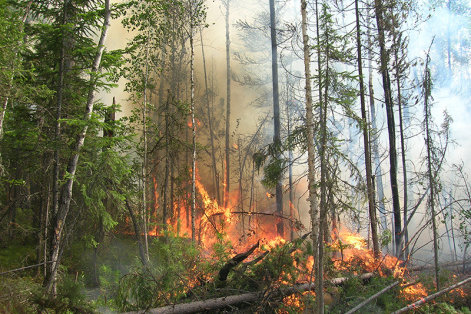
Krasnoyarsk scientists have identified a direct correlation between the climate change, increased fire intensity, and death of larch forests in Siberia. The climate change is lengthening the fire season and making the fires more intense and destructive. The central and northeastern forest regions, where the climate is becoming drier, are particularly vulnerable. The findings of the Krasnoyarsk researchers were published in the Fire Journal.
The climate change lengthens the fire season in Siberia. Scientists predict that, by the mid-21st century, it could increase by 20–35% compared to the late 20th century. In addition, rising temperatures increase the frequency of lightning, which is the main source of forest fires in Siberia. This poses a serious threat to larch forests playing a vital role in the permafrost stability and carbon balance.
Scientists from the Krasnoyarsk Scientific Center, Siberian Branch of the Russian Academy of Sciences have analyzed how the climate change affects the fire activity and forest loss in Siberia. They have compared the satellite data on the fire intensity, meteorological conditions, and larch forest mortality in 11 forested regions, including Arctic larch woodlands.
The researchers have shown that the climate change has transformed the fire regime in Siberian forests. Since the beginning of the 21st century, scientists have detected the increasing number of fires devastating forests. This trend is directly related to the climate change. The extreme weather conditions, including high temperatures, low humidity, and strong winds regularly observed in the region, dry out forest combustible materials and increase the incidence of high-intensity fires.
The experts have established a direct correlation between the forest loss and increased fire intensity in Siberia. Its central and northeastern forested regions, along with pre-tundra forests and the permafrost zone taiga, are at highest risk. It was here that the scientists fixed the most pronounced growth of both the fire intensity and tree mortality, as well as the trends toward the increasing fire danger index, decreasing the soil moisture, and, consequently, enhancing drought. Meanwhile, in the southeastern part, there is the climate trend toward the increasing moisture, which, conversely, has led to a decrease in the fire activity.
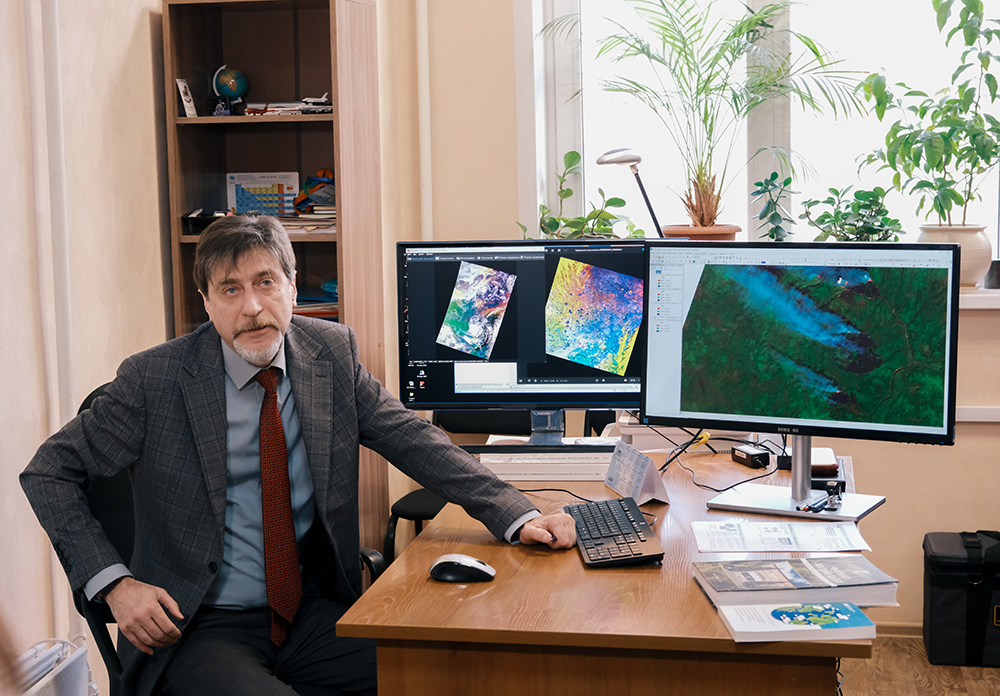 "Considering rising temperatures and changes in the heat and moisture supply in the region, we predict an increase in the fire intensity and fraction of fires that destroy forests, as well as extreme fire events. The fire season in Siberia could extend to 115–130 days. Combined with a decrease in the hydrothermal coefficient, an indicator reflecting the increasing climate aridity, this will lead to increased fire danger in central and eastern Siberia. Under the predicted regional climate change, we expect a further increase in the number of high-intensity forest fires. These changes are likely to be particularly significant for the region's larch forests. Therefore, it is critical to regularly monitor the condition of stands after fires," comments Dr. Evgeny Ponomarev, Senior Researcher at the Sukachev Institute of Forest, Siberian Branch of the Russian Academy of Sciences.
Share: