
Ways of Preventing Fires on Agricultural Lands
21 September 2026 г.
Krasnoyarsk scientists have analyzed the fire situation on agricultural lands of Russia over the past 25 years and established the factors that could help reduce the fire threat. Abandoned agricultural lands are emerging as the primary source of fire risk. The results of the study have been published in the “Prirodoobustroistvo” Journal.
Fires rank among the top three threats to the agro-industrial complex, alongside floods and droughts. The annual economic damage caused by fire and heavy smoke affecting both crops and livestock often exceeds losses resulting from pests and diseases. In Russia, where agricultural land spans hundreds of millions of hectares, this issue is particularly acute and requires constant monitoring and improving preventive measures.
Researchers from the Krasnoyarsk Science Center, Siberian Branch of the Russian Academy of Sciences, together with their colleagues from the Krasnoyarsk State Agrarian University, have analyzed the fire situation on agricultural lands in Russia over the past 25 years and proposed ways of improving fire prevention measures.
Previously, prior to the adoption of remote monitoring, annual statistics recorded from 2,000 to 3,000 fires on agricultural lands across Russia, while in 2021–2024, the EMERCOM figures showed approximately 200,000 fires. This alarming data, however, reflect not a catastrophic surge in the number of blazes, but rather advances in detection and revisions to recording techniques. In recent years, remote sensing methods, first of all, satellite, aerial, and drone-based monitoring, have been increasingly employed to track fires. This has enabled the prompt detection of ignitions that could otherwise escalate into full-scale fires.
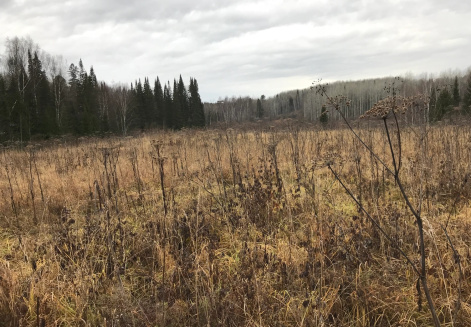
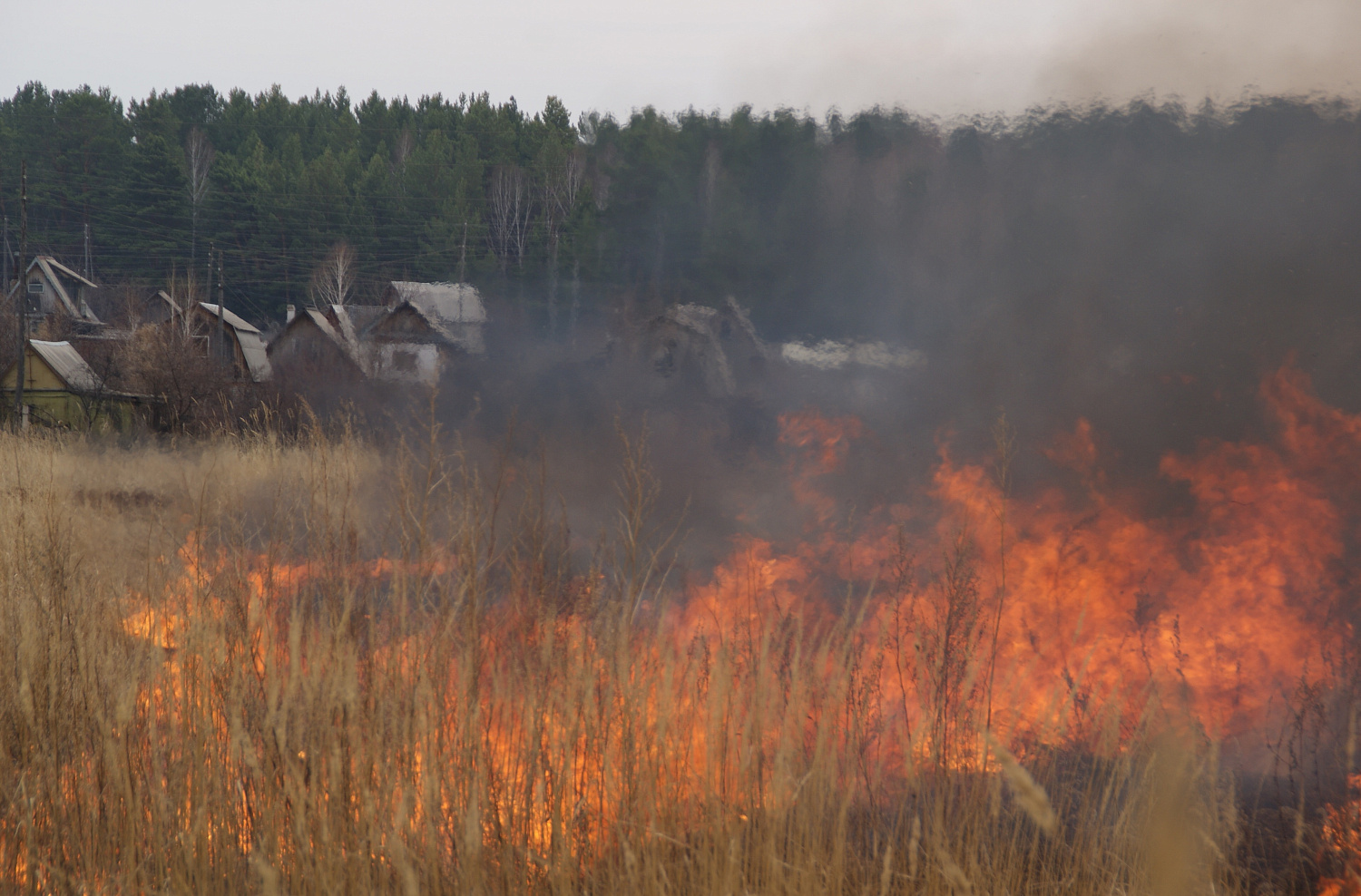
 "Agricultural lands are generally quite resistant to the spread of fire while in use, but the situation changes once they are useless. Within just a few years, abandoned croplands, meadows, and pastures begin to become overgrown with grass, shrubs, and trees. The accumulation of dead grass matter alone can reach 1.2 t per hectare (dry weight). Peak levels are typically observed just five years after land use ceases. This leads to a sharp increase in fire risk, not only for the agricultural lands, but also for adjacent forests and nearby settlements," notes Alexander Bryukhanov, Cand. Sc. in Biology, Senior Researcher at the Sukachev Institute of Forest.
The researchers have identified abandoned land plots as a distinct source of fire risk and noted that, according to 2020 Rosreestr data, nearly 100 million hectares out of 222 million hectares of agricultural land were lying idle. Abandoned lands rapidly become high-risk fire zones: since such areas typically lack adequate fire protection, fire spreads across open spaces at high speed.
The reasons for the emergence of abandoned agricultural land are manifold, from population outflow to economic factors and consequences of technological progress, where increased crop yields lead to a decrease in the amount of agricultural land in use.
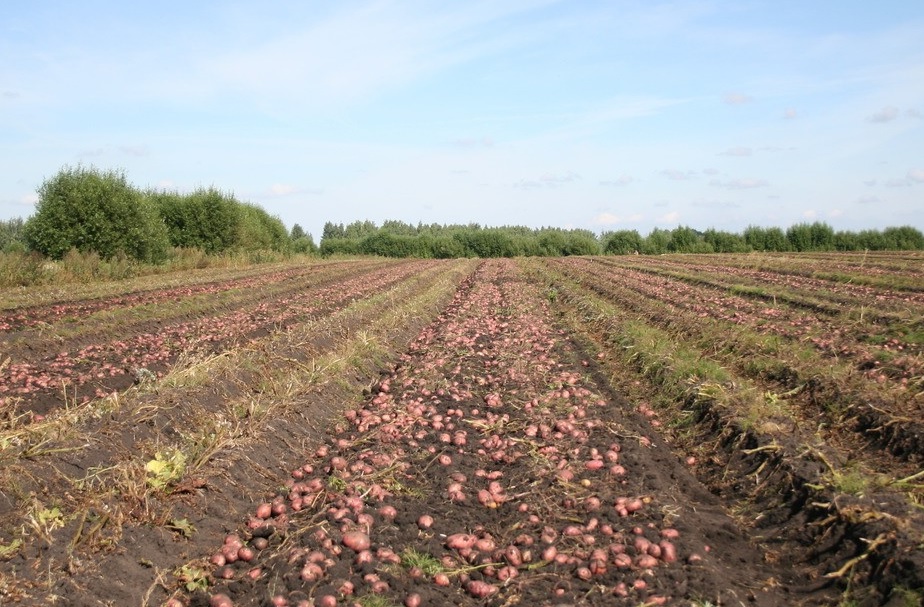
The wildfire risk can be reduced by zoning areas. This approach is particularly important where agricultural land adjoins areas with a high fire risk: hay storage sites, fields of ripening grain, young coniferous stands, dumps, landfills, and settlements. The experts recommend creating mineralized strips and mowing the grass along the boundaries of such zones, as well as planting high-moisture crops (e.g. potatoes and cabbage) that do not burn easily, do not accumulate dry grass litter, and are often capable of halting the spread of fire.
Share: