
Scientists Extracted Magnetic Microspheres for Biomedicine from Thermal Power Plant Waste
3 November 2026 г.
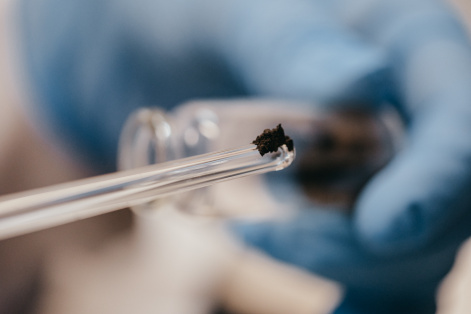
Krasnoyarsk researchers have proposed a method for extracting fine magnetic particles (ferrospheres) from thermal power plant waste. These particles are promising for targeted drug delivery and magnetic hyperthermia in cancer therapy. The new method turns waste into a useful resource and reduces the environmental burden. The results of the study have been published in the Magnetochemistry Journal.
The coal combustion at thermal power plants generates vast quantities of ash and slag waste. Fly ash accounts for 60% to ~90% of the waste. In Russia, 18–26 million tonnes of fly ash are produced annually, yet only 10–20% is recycled. Global figures are even more striking: worldwide production of fly ash reaches 1 billion tonnes per year. The accumulation of coal combustion waste leads to environmental pollution and has a negative impact on human health.
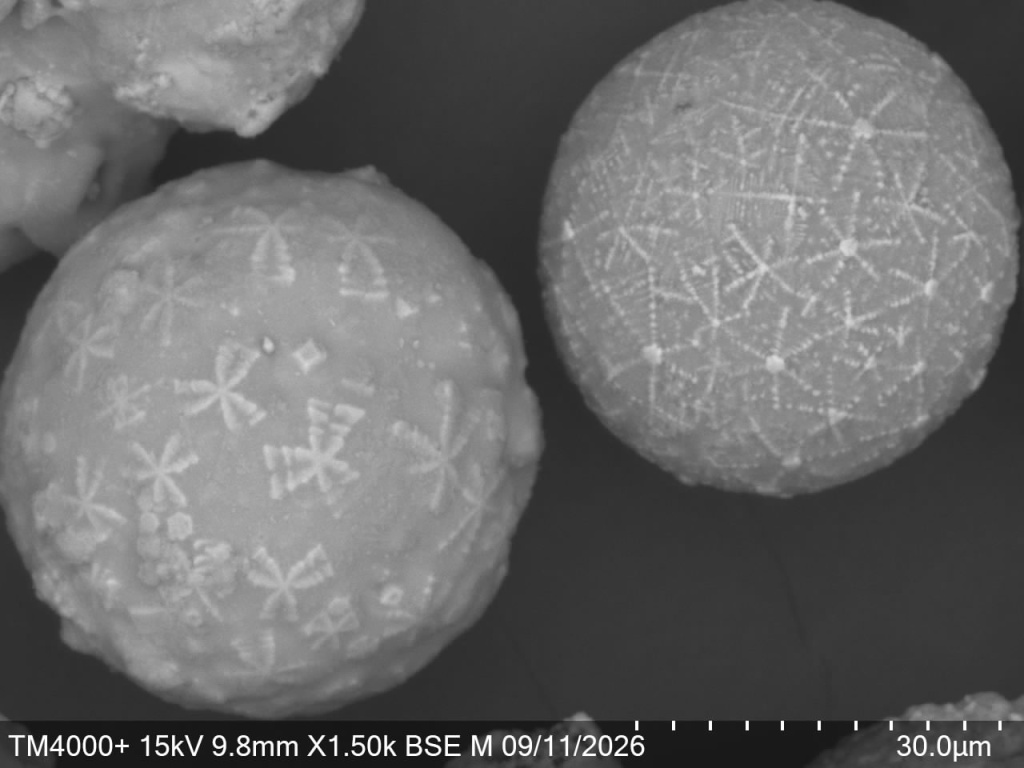
Recycling can help solve this problem, in particular, by using microspherical components derived from coal ash to manufacture new materials. Along with hollow aluminosilicate particles known as cenospheres, coal ash contains the so-called ferrospheres: iron-bearing magnetic microparticles that form during the coal combustion at thermal power plants. Ferrospheres can be used in targeted drug delivery, in biosensors, or in magnetic hyperthermia to destroy cancer cells via heating in a magnetic field. However, extracting this fine fraction from the ash is quite a challenge.
Researchers at the Krasnoyarsk Science Center, Siberian Branch of the Russian Academy of Sciences have developed an optimized technique for extracting magnetic ferrospheres with a stabilized composition from high-calcium coal fly ash. First, the raw material is separated into narrow fractions with the particle size range of 3–25 micrometers to remove submicron ash particles that would otherwise interfere with the magnetic extraction of ferrospheres. Then, ferrospheres are isolated from the bulk material by dry magnetic separation. The process yields fine-grained magnetic and nonmagnetic fractions.
The proposed technique not only allows isolation of ferrospheres, but also enhances their magnetic properties more than tenfold as compared with the initial ash, by removing the nonmagnetic ballast.
 "The technique has proven to be more practical and environmentally friendly than conventional separation methods. It does not require the use of liquids, which helps avoid additional energy-intensive filtration and drying stages often requiring extra equipment," comment Elena Fomenko, Cand. Sc. in Chemistry, head of the Laboratory of Catalytic Transformations of Small Molecules at the Institute of Chemistry and Chemical Technology SB RAS.
Note that the presentation by Ekaterina Smorodina, an engineer at the Institute of Chemistry and Chemical Technology, who shared the results of this study at the 13th Global Conference on Polymers and Composite Materials in China (PCM-2026), was recognized as the best poster presentation.
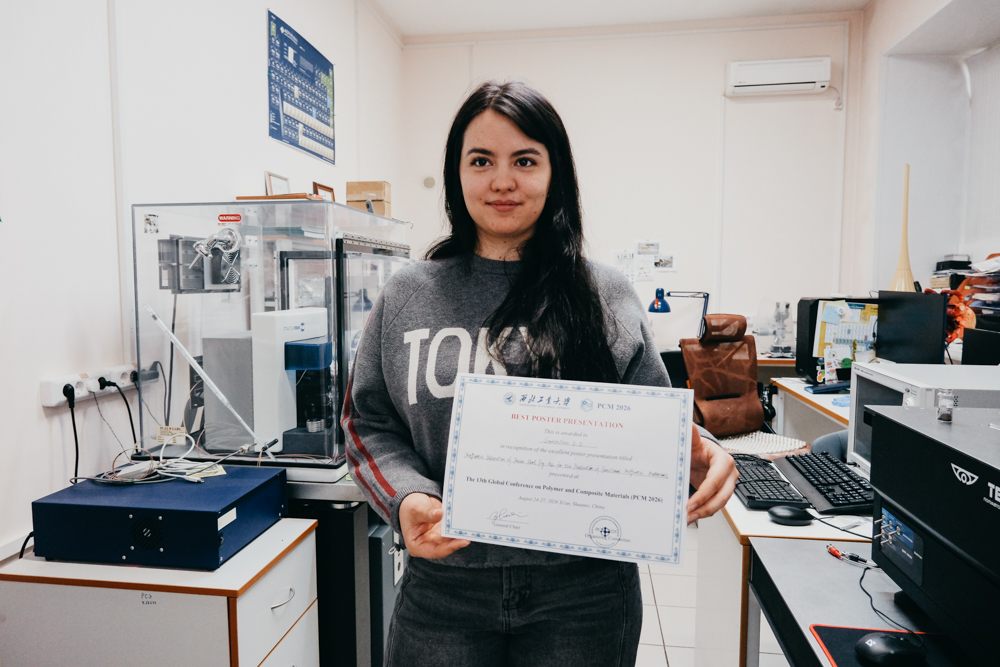 "Reprocessing coal ash into novel materials can help reduce the environmental burden caused by coal-fired power generation. It is important to develop technologies for the comprehensive fly ash processing with extraction of valuable components. This is a pressing environmental and economic problem, so we intend to further explore this area of research. We have already succeeded in isolating fine ferrospheres from the ash waste generated by thermal power plants. Our further investigations will focus upon potential applications of the remaining nonmagnetic fractions, as well as coarser-grained fractions left after separation. We expect these materials to be used as fillers for cement and concrete or in production of eco-friendly ceramics and geopolymers," explained Ekaterina Smorodina, an engineer at the Institute of Chemistry and Chemical Technology.
Share: