Bacteria, mosses and lichens could stabilize methane fluxes in the Arctic and Antarctic
29 June 2023 г.
Cryogenic or permafrost ecosystems are soil ecosystems existing under conditions of low temperatures and permafrost. They are found in the Arctic and Antarctic. Frozen soils are extremely vulnerable, as any changes in temperature or soil structure can lead to an imbalance in this ecosystem. This looks especially alarming given that permafrost ecosystems are a global repository of organic carbon and methane. The thawing of permafrost due to an increase in average annual temperatures as a result of global warming will lead to accelerated decomposition of organic matter frozen in the ground and greenhouse gas emissions.
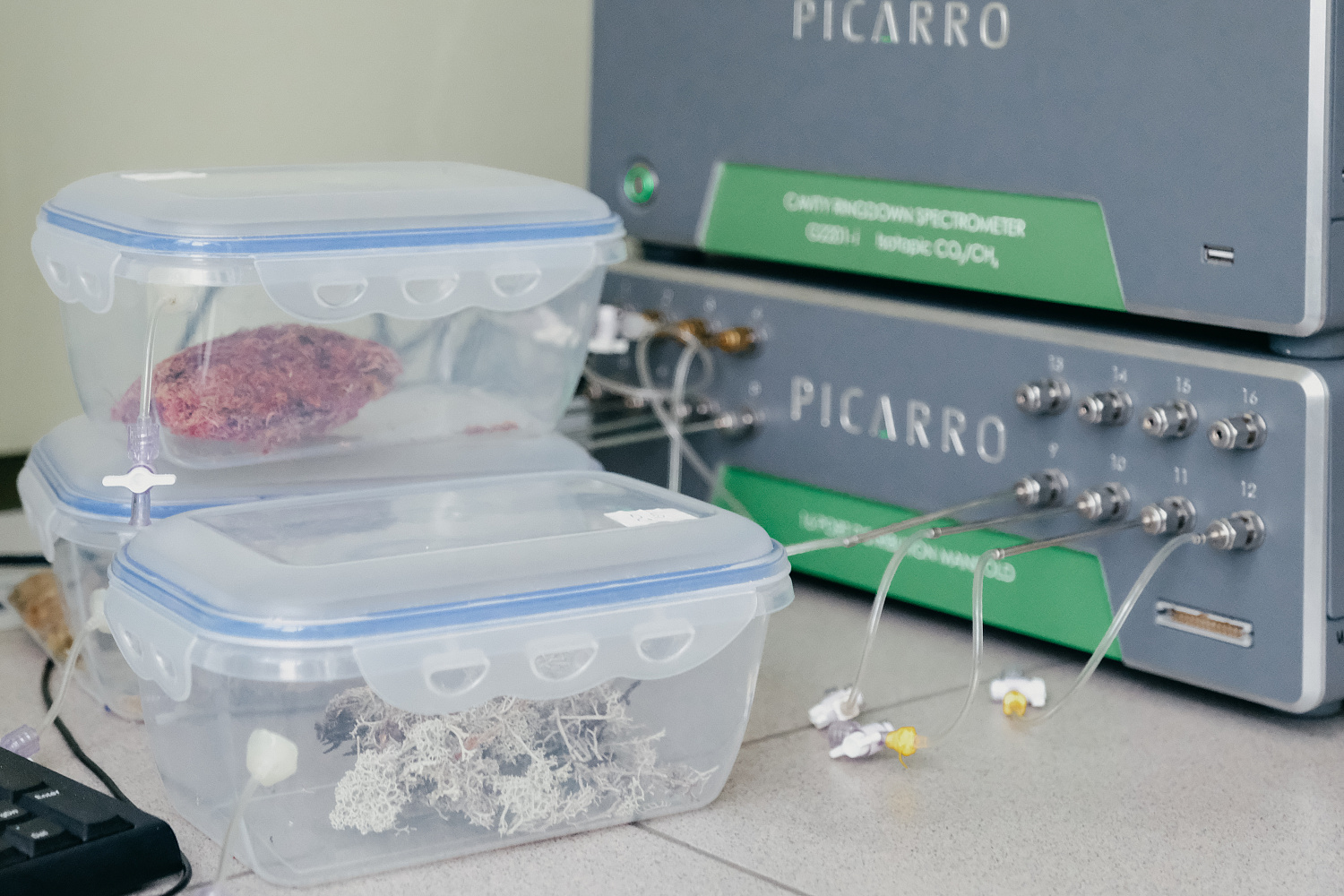
Scientists from Krasnoyarsk and Novosibirsk, with the participation of researchers from the Krasnoyarsk Science Center of SB RAS, estimated the ability of bacteria living on mosses and lichens of cryogenic coastal ecosystems to absorb and process methane. The studies were carried out in the tundra ecosystems of the Lena River Delta (Yakutia) and King George Island (South Antarctica).
Rising average annual temperatures in these regions are causing rapid melting of permafrost and facilitating the release of organic carbon with further release of methane into the atmosphere. Methanogenic, that is, producing methane, and methanotrophic, i.e. absorbing methane, microbial communities are key elements of the methane cycle. Methane emissions are controlled by methanotrophic bacteria, which oxidize most (50 to 75%) of the resulting gas. At the same time, the process of carbon recycling is associated not only with bacteria, but also with mosses and lichens that form symbiosis with them. Bacteria have habitat and protection, and plants get additional carbon dioxide.
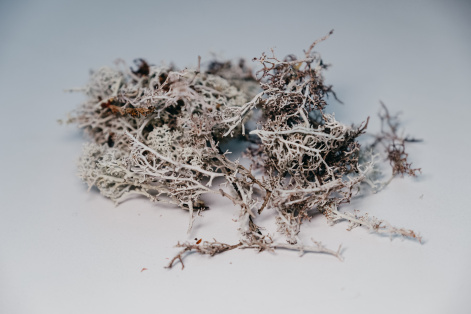
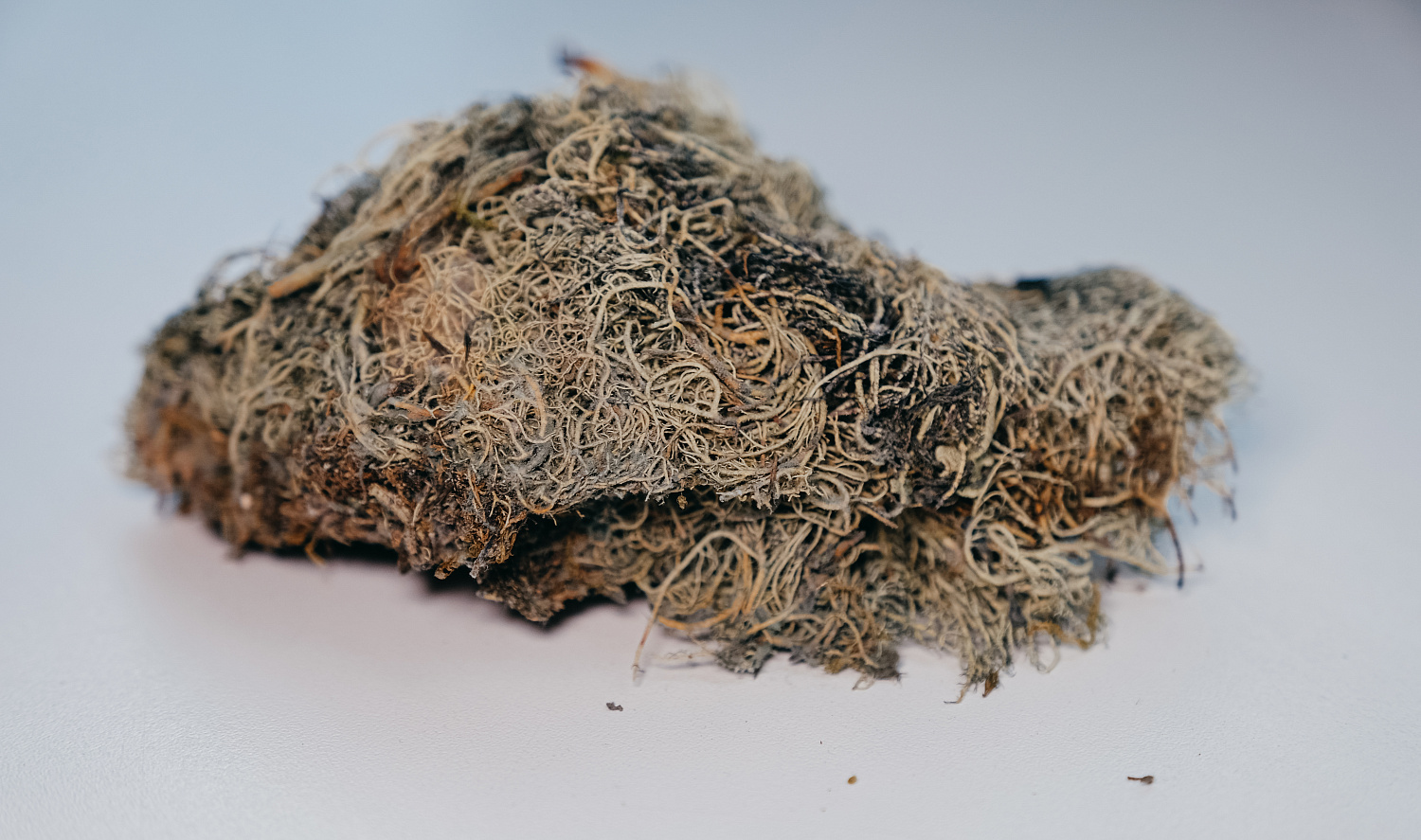
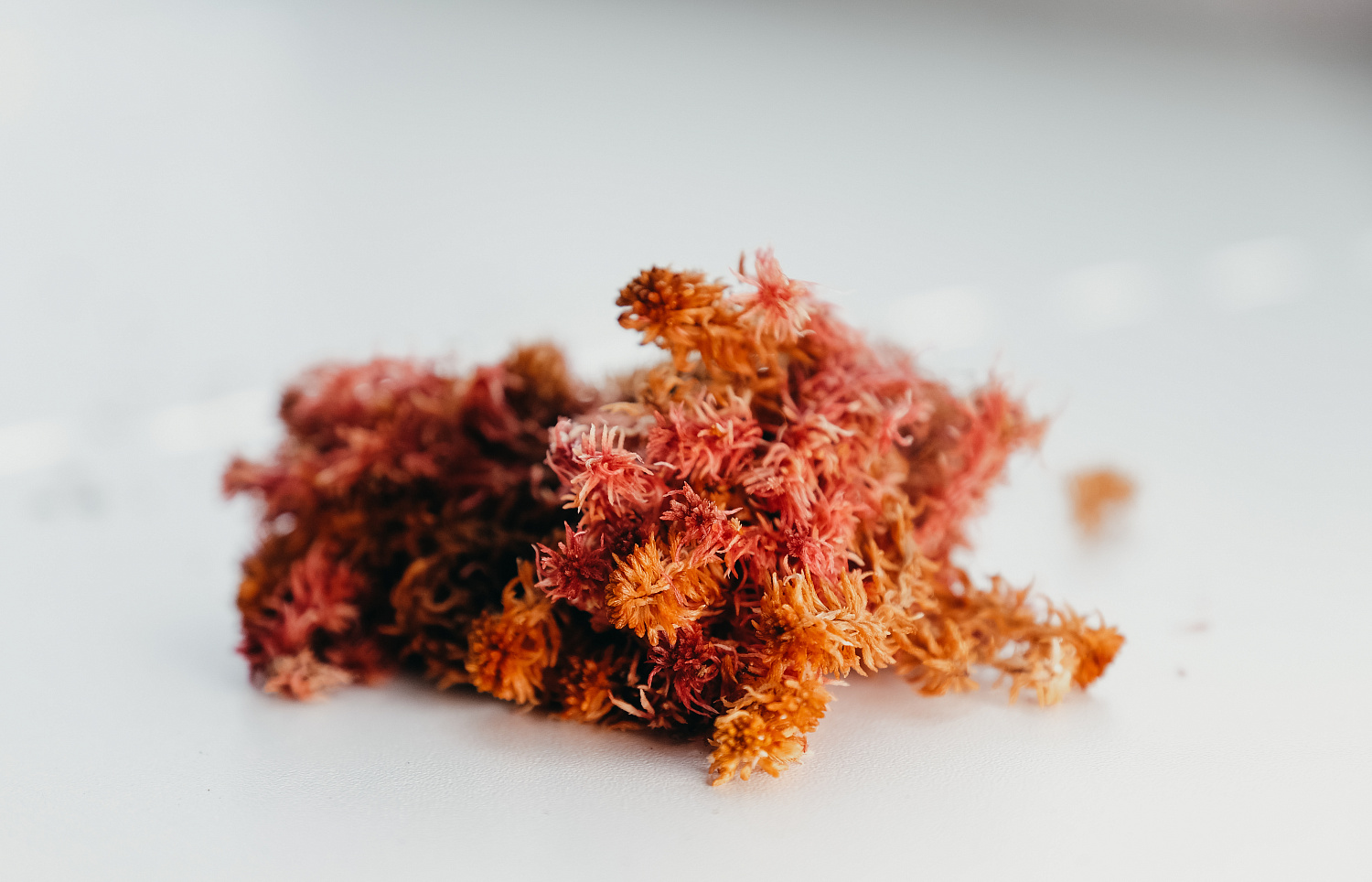
Having studied these systems in the Arctic and Antarctica, experts confirmed that bacteria associates with mosses and lichens are able to absorb and process atmospheric methane. At the same time, as the scientists found out, the highest ability to absorb gas belongs to bacterial communities with lichens Cetraria laevigata and mosses Sphagnum compactum.
The researchers, however, also found that communities in the Arctic and Antarctic behave differently under certain conditions. On the islands in the Lena River delta, moss and lichen communities absorbed methane regardless of the season and environmental humidity. At the same time, an increase in humidity on King George Island in Antarctica to 60% turned bacterial communities with lichens and mosses from sinks into methane emitters. The mosses of the Sanionia sp and Campylium sp species were an exception; as they ignored changes in humidity and continued to process methane.
“Permafrost coastal ecosystems are of particular interest as these areas are a major potential source of biogenic methane through melting permafrost and shoreline erosion, leaving soil organic matter available for microbial degradation, including for methane producing communities. In such a situation, methane-consuming bacteria will become a sort of filter on the way to the emission of ever-increasing volumes of methane. It is generally accepted that Antarctica is not a significant source of methane, however, the presence of active methane producers in the cold-loving communities of King George Island indicates the presence of constant methane fluxes in the ecosystem, and suggests that the Antarctic ecosystems, like the Arctic ones, can be both a sink and a source of methane,” comments the results of the study, junior researcher at the V.N. Sukachev Institute of Forest SB RAS, Valery Kadutsky.
The study was supported by the Russian Science Foundation (Project No. 21-17-00163).
Share: