
Krasnoyarsk scientists have obtained nanocellulose in an environmentally friendly way
18 January 2023 г.
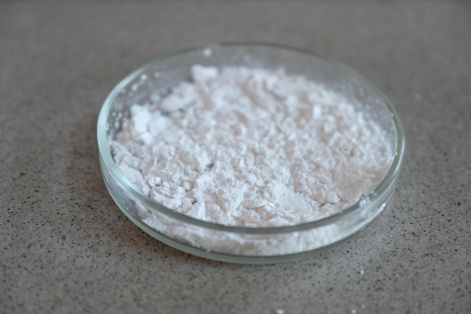
Wood contains a large number of valuable chemicals, such as cellulose, lignin, and xylooligosaccharides. Therefore, wood waste, such as sawdust, can be recycled and used in medicine, cosmetics, food industry and other areas. However, for this it is necessary to develop and choose effective, but at the same time non-toxic methods for turning wood into useful components.
Scientists from the Krasnoyarsk Science Center of the Siberian Branch of the Russian Academy of Sciences and Siberian Federal University have learned how to process birch wood into nanocellulose, xylose and adsorbents using an environmentally friendly method. To do this, they have developed a single technological cycle which combines a number of harmless methods of processing.
Usually, for the preparation of pulps use is made of toxic sulfur- and chlorine-containing components, which are harmful to the environment. Experts for the first time suggested to combine environmentally friendly processes of heterogeneous catalytic hydrolysis and peroxide delignification, where non-toxic reagents, anmely hydrogen peroxide, water and organic acids, are applied. As a result, scientists obtained microcrystalline, microfibrillated and nanocrystalline cellulose from birch sawdust, as well as xylose and adsorbents with an absorbing activity twice as high as that of commercial analogues.
In order for the reaction to be successful and most efficient, the researchers determined the optimal conditions for its implementation: temperature, time, necessary reagents and their concentration. For example, one of the important decisions was to use zirconium dioxide and titanium oxide instead of toxic mineral acids: solid acid catalysts. This made it possible not only to increase the safety of the reactions performed, but also to increase the number of products obtained.
“Due to their unique properties, nanocellulose materials are in great demand for the production of aerogels, biocomposites, biodegradable materials, medical implants and reinforced polymer-based composites, films and coatings. We proposed a new approach to obtaining these valuable chemical products, as well as xylose, lignin and enterosorbents from birch wood. In this approach, we combined the processes of heterogeneous catalytic hydrolysis and peroxide delignification. The application of solid acid catalysts instead of mineral acids makes it possible to increase the environmental safety of the process and prevent corrosive effects on the equipment and, consequently, to reduce financial costs. In addition, the developed method for the production of cellulose products is based on the application of non-toxic organic and water-organic solvents. The resulting bioprocessing products can be used in the food and chemical industries, medicine, veterinary medicine, in the synthesis of new biopolymers and composites,” said Boris Kuznetsov, Doctor of Chemical Sciences, Professor, Head of the Laboratory of Chemistry of Natural Organic Raw Materials at the Institute of Chemistry and Chemical Technology of FRC KSC SB RAS.
The study was supported by the Russian Science Foundation (No. 21-13-00250).
Share: