
Siberian and American Relict Crustaceans Were Found to Be Sisters
22 July 2026 г.

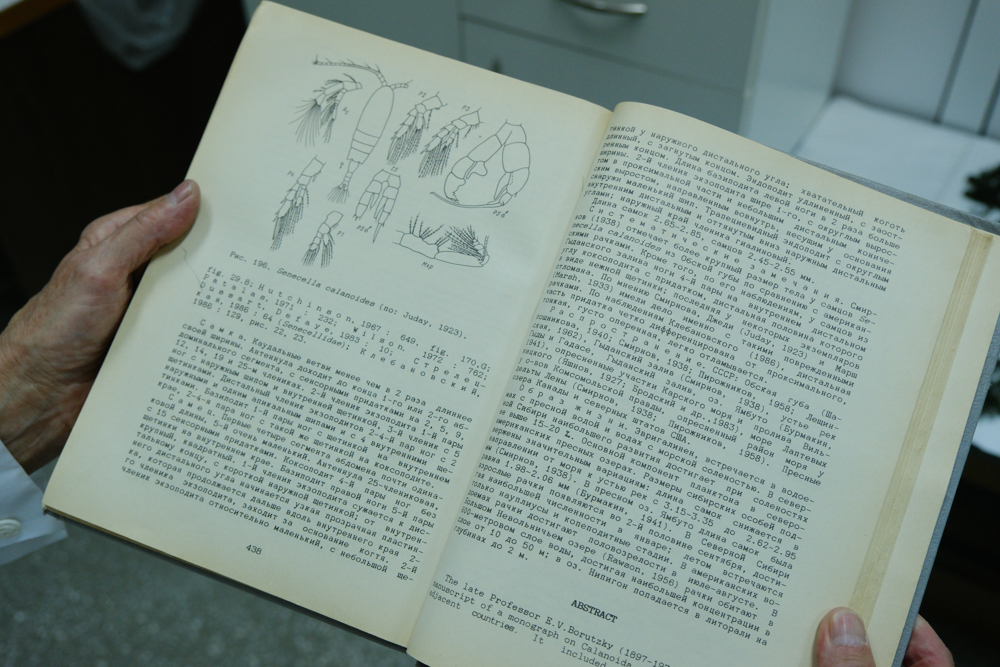 Glacial relicts are species that have survived from ancient glaciations, even though the conditions of their surrounding have long since changed. These species include the planktonic copepods of the Senecella genus. Representatives of the latter are found in two completely different regions. Populations of Senecella calanoides inhabit freshwater glacial lakes in North America, while populations of Senecella siberica are found in the estuaries of the Siberian rivers flowing into the Kara and Laptev Seas and have recently been discovered in the Lama and Sobachye Great Norilsk Lakes. For a long time, scientists have been unable to determine whether these populations were distinct species or two forms of the same species, as differences in their body structure are minor. To settle the dispute, specialists from the Krasnoyarsk and Irkutsk Scientific Centers of the Siberian Branch of the Russian Academy of Sciences have carried out a genetic analysis of these species. They compared the DNA regions conventionally used to distinguish between closely related species. The Siberian samples were taken from Lake Sobachye in the Norilsk region and from the Gulf of Ob near the village of Sabetta, while the North American samples were taken from Lake Champlain, Vermont (US). The genetic analysis has shown that these are related sister species living in different geographic ranges. Their DNA only differs as much as different species, rather than variations of the same species, typically differ. Moreover, the scientists have determined the approximate time of divergence of the analyzed species. They split into two distinct lineages long ago: between 2.5 and 7.1 million years ago on average. However, as the researchers noted, the dispersal of these species into inland waters occurred only several hundred to tens of thousands of years ago. During that era, the sea repeatedly advanced on land and then retreated. The crustaceans that appeared in isolated bodies of water and rivers remained there, surviving the ice ages in various refuges and using periglacial lakes for dispersal.
  "These data not only shed light on the evolutionary history of glacial relicts, but are also important for understanding how Arctic ecosystems respond to climate and sea level changes. After all, relict species are living witnesses to past events, and their genetic diversity reflects the history of entire regions. However, further research is needed to piece together a complete picture. We plan to study crustaceans from Russia, US, and Canada that are not included in the current study. Expanding our geographic range will help us understand the extent to which the Siberian and American populations are similar and pinpoint the waves of colonization of inland waters. This is important not only for fundamental research, but also for predicting how species will respond to current permafrost thaw and changes in the salinity of Arctic seas," said Dr. Olga Dubovskaya, one of the authors of the study, leading researcher of the Institute of Biophysics SB RAS, professor of the Siberian Federal University.
 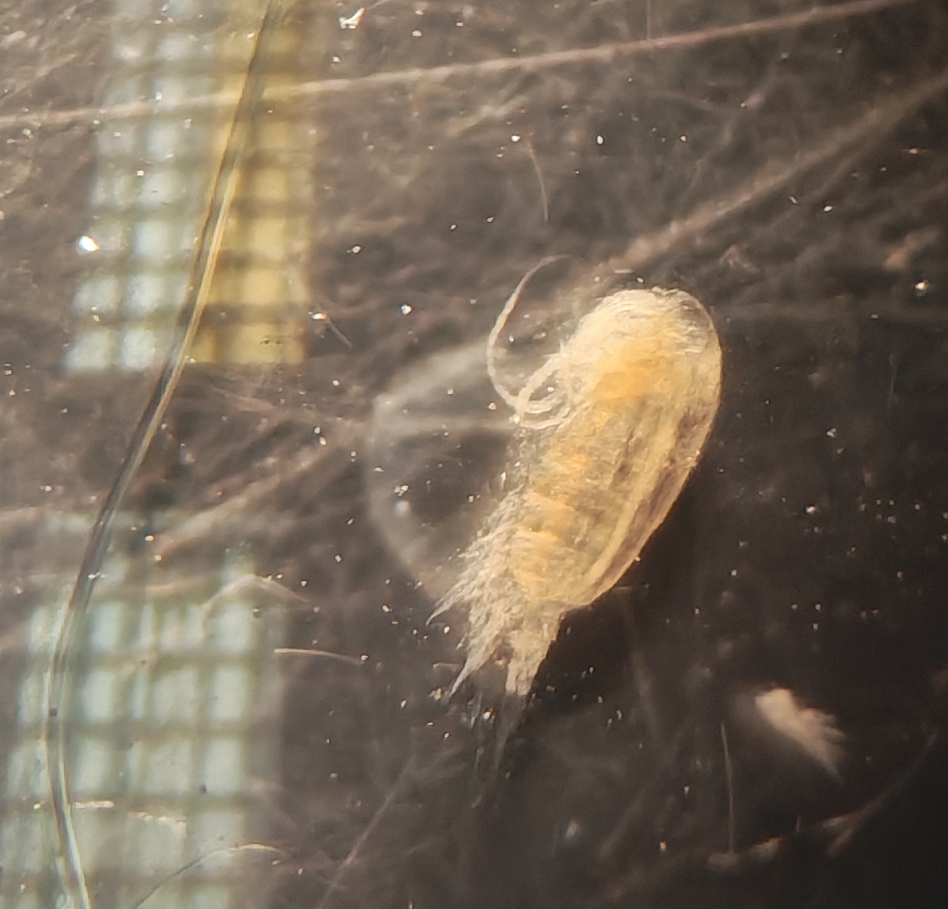 In addition, the results obtained confirmed that both species are of marine origin. Indirect evidence of the marine past comes from their biochemistry: unlike most freshwater crustaceans, which accumulate triacylglycerols, Senecella accumulate lipids typical of marine species. Thus, the freshwater lakes near Norilsk today harbor crustaceans whose ancestors were marine inhabitants.
Share: