
Yakutian Cattle is a source of valuable omega-3 fatty acids
28 September 2023 г.
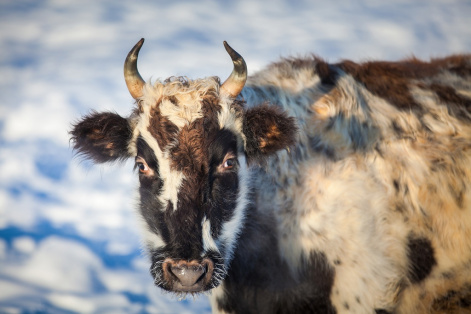
Long-chain polyunsaturated fatty acids (PUFAs) of the omega-3 family, namely eicosapentaenoic acid (EPA) and docosahexaenoic acid (DHA), are necessary for the normal development and functioning of the human cardiovascular and nervous systems. Moreover, these acids represent substances that are synthesized in aquatic ecosystems and thus, they are scarce on land. The main source of omega-3 PUFAs for humans is fish. However, commercial fishing has reached its maximum and their further increase may lead to a reduction in fish in water bodies. At the same time, people experience a deficiency of omega-3 PUFAs. Alternative land-based sources of polyunsaturated fatty acids in the human diet can reduce pressure on aquatic ecosystems.
Scientists from the Federal Research Center "KSC SB RAS" together with colleagues from several Siberian academic organizations and universities assessed the nutritional qualities of meat, liver and fat of Yakutian cows. The study shows that the meat of Yakut cattle, grazed on pastures in harsh climate conditions, has a unique composition of fatty acids and is a valuable source of omega-3 PUFAs.
The indigenous Yakutian breed of cows, preserved in Siberia, lives in the northeastern region of the Sakha Republic (Yakutia). There are only a few thousand animals of this breed. However, the value of these animals from the view point of human nutrition is beyond doubt.
In their study, scientists calculated indicators that reflect the effect of the fatty acid composition of cows on human health. According to the results obtained, the meat and liver of Yakutian cattle have anti-atherogenic properties. That is, they inhibit the accumulation of plaque in the vascular system and reduce cholesterol levels and the formation of blood clots in blood vessels.
One of the important indicators of the nutritional value of foods is the ratio of polyunsaturated to saturated fatty acids. According to this indicator, the quality of lipids in the meat and liver of Yakutian cattle was twice as high as the recommended values of the World Health Organization. Scientists note that this can be considered ideal. However, in fat this value was 40 times lower than in meat and liver, which indicates its low value as a food product for humans and for the prevention of cardiovascular diseases. According to certain indicators, the quality of meat and liver of Yakutian cows was higher than that of some types of fish.
Scientists note that such high indicators of meat and liver of Yakutian cows may be associated with habitat and adaptation to the harsh cold climate and diet.
“The fatty acid composition of food products affects the risk of developing cardiovascular diseases. The meat and liver of Yakutian cattle cows are valuable products for humans, helping to reduce the risk of developing these diseases due to the optimal ratio of fatty acids and a sufficiently high content of physiologically valuable eicosapentaenoic and docosahexaenoic fatty acids. In general, farm animals are not considered a significant source of omega-3 PUFAs because their content in meat is low. The amount of EPA and DHA in the meat of Yakutian cows turned out to be slightly higher than in the meat of other farm animals. For example, in the liver their content was 1.5 times higher than in other farm animals. Our results confirm the importance of conserving this valuable cattle breed. It is necessary to take measures to increase their population, while maintaining the current conditions of keeping and feeding these animals,” said Olesya Makhutova, Doctor of Biological Sciences, Professor of RASs, leading researcher at the Institute of Biophysics SB RAS.
Specialists from the Siberian Federal University, the Institute of Biological Problems of the Cryolithozone SB RAS (Yakutsk) and the Siberian Institute of Plant Physiology and Biochemistry (Irkutsk) also took part in the study. Earlier, the team of researchers assessed the content of PUFAs in the meat of Yakutian horses and its connection with the characteristics of their diet.
Share: